


Study program Fire Safety
Тригодишни студии
Study Program: Fire Safety
Faculty: Faculty of Technical Sciences and Computer Science
Degree: Bachelor’s degree (First Cycle)
Location: Sveti Nikole or Bitola
Student Status: Full-time or Part-time
Duration of Studies: 3 years (six semesters)
Total Courses: 24
Total ECTS Credits: 180
Awarded Degree: Fire Safety Engineer
Annual Tuition Fee: 2030 EUR
The Fire Safety study program at the International Slavic University is designed for future engineers who want to actively contribute to creating safer workplaces and living environments.
Fire safety involves the preventive application of measures, regulations, and standards to protect people, buildings, and the environment from the occurrence and consequences of fires. Through this program, students will learn the causes of fires, how to identify risks in different environments, and develop skills to effectively prevent or control them.
Through laboratory and practical training, students will gain applicable knowledge that is in demand in both the public and private sectors—from industrial facilities and municipalities to fire departments and safety consulting companies.
Special emphasis is placed on preparing students to respond promptly in the event of a fire and to minimize harmful consequences, especially in environments where hazards cannot be completely eliminated. Upon completing the program, graduates will also be prepared to continue their education in master’s studies in the same or related fields.
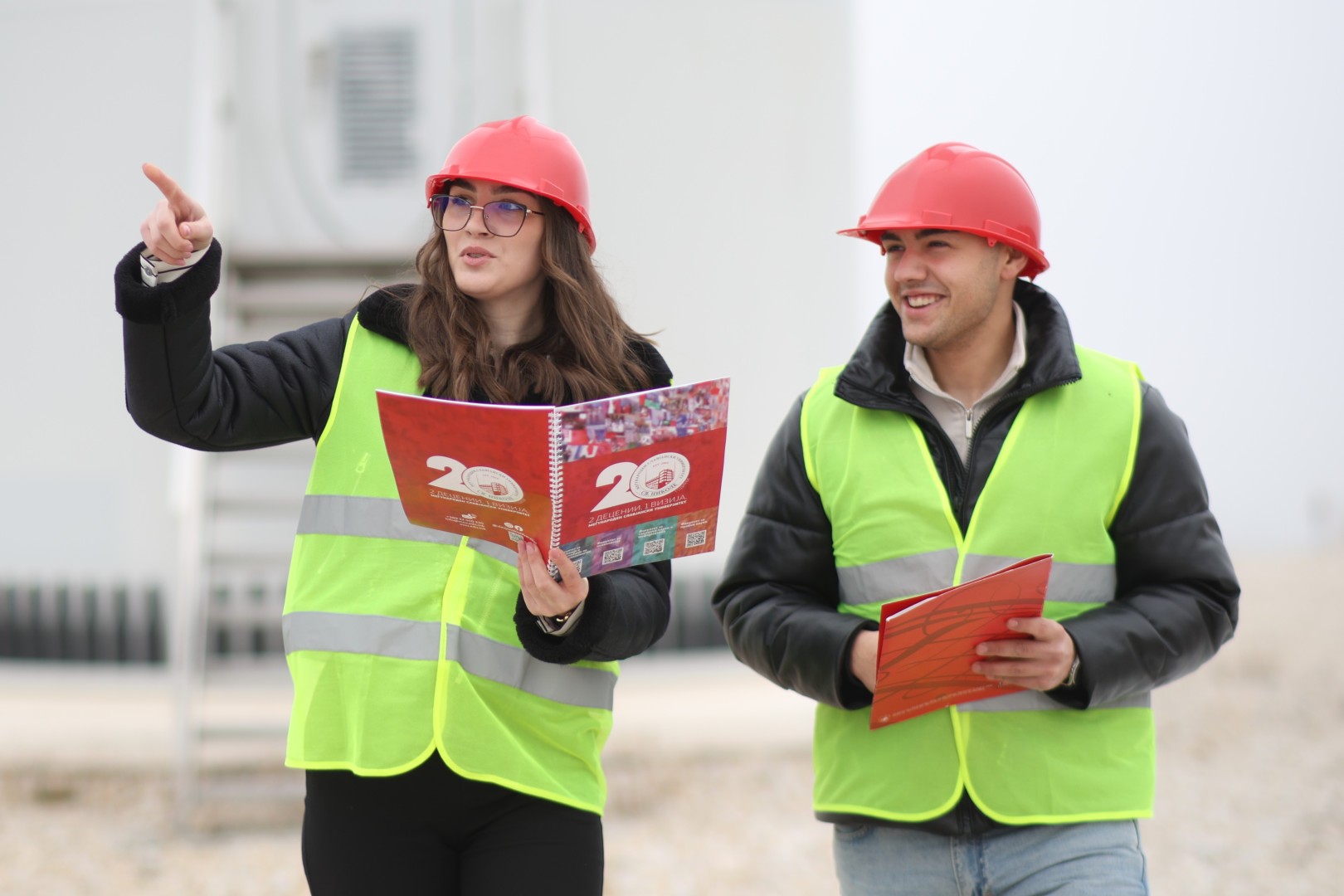
Bachelor's degree
In this study program, students are first introduced to the legal and regulatory foundations related to fire protection, including laws, regulations, and standards that concern the safety of people, buildings, and the environment. The program also covers the organization and management of fire protection systems, as well as the roles of various institutions and services in preventing and responding to fires.
Students then gain knowledge of the physical and chemical factors that lead to the occurrence of fires, how these factors affect people and infrastructure, and strategies for prevention and damage minimization.
The program also includes fundamentals of thermodynamics and the development of technical systems to understand processes related to fire ignition and spread, as well as the application of modern equipment and technologies for fire detection, alarm systems, and extinguishing. Additionally, students study evacuation systems, rescue operations, and risk management during fires in various environments—including industrial, public, residential, and natural settings.
The program lasts three years, and upon successful completion, students earn 180 ECTS credits and gain access to diverse professional opportunities in fire protection and emergency management.
The three-year program includes 24 courses that students are required to complete. Each semester consists of 3 mandatory courses and 2 elective courses, from which students choose 1 elective.
Study program three year studies
1 SEMESTER
-
MathematicsRequired
8 ECTS
-
Basic Parameters of the Work EnvironmentRequired
8 ECTS
-
Legal Foundations of Fire SafetyRequired
8 ECTS
-
Technical MaterialsElective
6 ECTS
-
English LanguageElective
6 ECTS
2 SEMESTER
-
Technical MechanicsRequired
8 ECTS
-
ThermodynamicsRequired
8 ECTS
-
Fundamentals of Combustion Process TheoryRequired
8 ECTS
-
Fundamentals of InformaticsElective
6 ECTS
-
Fire Detection SystemsElective
6 ECTS
3 SEMESTER
-
Analysis of Technical Systems and ProtectionRequired
8 ECTS
-
Statistics and Data ProcessingRequired
8 ECTS
-
Environmental EconomicsRequired
8 ECTS
-
Engineering PsychologyElective
6 ECTS
-
Business EconomicsElective
6 ECTS
4 SEMESTER
-
Fluid MechanicsRequired
8 ECTS
-
Environmental MonitoringRequired
8 ECTS
-
Economic Aspects of Workplace FiresRequired
8 ECTS
-
Safety in Transportation and StorageElective
6 ECTS
-
Work Environment Quality IndicatorsElective
6 ECTS
5 SEMESTER
-
Workplace Safety AssessmentRequired
8 ECTS
-
Environmental LawRequired
8 ECTS
-
Pressure Vessels and InstallationsRequired
8 ECTS
-
Mobile Firefighting EquipmentElective
6 ECTS
-
Application of Informatics in Fire SafetyElective
6 ECTS
6 SEMESTER
-
Workplace ErgonomicsRequired
8 ECTS
-
Systems and Risk TheoryRequired
8 ECTS
-
Professional Risk ManagementRequired
8 ECTS
-
Academic WritingElective
6 ECTS
-
Fundamentals of Environmental and Fire Protection Directives and StandardsElective
6 ECTS
Admission requirements
Candidates eligible to enroll in the first cycle (Bachelor’s) studies are those who have completed a four-year secondary education in North Macedonia or abroad, with a national or international matriculation certificate.
Students from other accredited faculties, graduates, and foreign nationals are also eligible to enroll (as regulated by law).
Enrollment is granted without the requirement to take an entrance exam.
Documents for admission
When applying for enrollment in the first cycle (Bachelor’s) studies, candidates must submit the following documents:
Diploma for completed national or international matriculation
Certificates from all 4 years of secondary education
Copy of birth certificate
Copy of citizenship document
4 small color photographs
Application documents can be submitted at the premises of the International Slavic University in Sveti Nikole at 77 “Marshal Tito” Street and in Bitola at 90A “Prilepska” Street.
Tuition fees
For international students, the tuition fee is EUR 2030 per year. International students are required to pay the full amount of the yearly tuition fee at the beginning of the academic year.
For more information please visit the Tuition Fees page.